






Alcohol-free white wines: our selection
52 references from non-alcoholic white wines, from dry and mineral to rounder and fruity. Coming from real vinification and then dealcoholized to less than 0.5% alcohol, they retain the acidity, freshness and aromatic complexity of a traditional white wine — which radically distinguishes them from a simple white grape juice.
Understanding alcohol-free white wine profiles
As with a classic white wine, the grape variety largely determines the aromatic profile. A dealcoholized Sauvignon retains its citrus and boxwood notes, a Chardonnay its buttery roundness, a Chenin its minerality. The dealcoholization technique also influences the result: reverse osmosis better preserves delicate aromas but sometimes leaves a wine flatter in the mouth, while vacuum distillation at low temperature (30-50°C) allows volatile aromatic compounds to be recovered and reintroduced, for a result closer to the original wine. The best houses, like Oddbird or Zeronimo, have mastered this aromatic reincorporation — it's what makes the difference between a convincing non-alcoholic white wine and a simple bland juice.
Our references to know
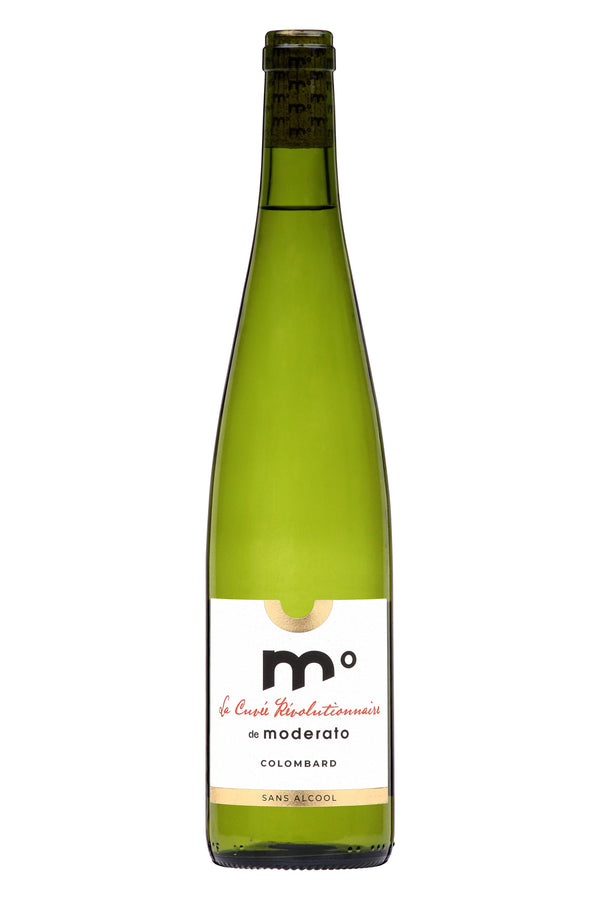
The limited edition Chardonnay Cuvée Révolutionnaire offers a buttery roundness typical of the grape variety. The Eden by Coralie de Boüard white wine focuses on freshness and precision. For lovers of sweet wines, the limited edition Sigalas Rabaud x Moderato successfully reproduces the complexity of a great sweet wine, without alcohol.
How to serve it
Between 8°C and 10°C, in a classic white wine glass to concentrate the aromas. Unlike traditional wine, avoid leaving it in a carafe for too long: the absence of alcohol makes it more sensitive to oxidation, and it quickly loses its freshness with prolonged contact with air.
Food and wine pairings
Grilled fish, seafood, fresh cheese platter (goat cheese, feta): the acidity of dealcoholized white wine goes particularly well with light and lively dishes. As an aperitif, it also works very well on its own, well chilled.
FAQs
Does non-alcoholic white wine really taste like wine?
Yes for the best references: the acid structure and the aromas of the grape variety are well preserved, contrary to preconceived ideas about alcohol-free products a few years ago.
What’s the difference with white grape juice?
A dealcoholized white wine has undergone real alcoholic fermentation then dealcoholization. Grape juice has never fermented — the difference in aromatic complexity is clear when tasting.
Can we keep it for a long time after opening?
3 to 5 days in the refrigerator, carefully resealed. The absence of alcohol as a natural preservative makes it more fragile than a classic wine.
Explore the rest of our selection
Also discover our alcohol-free red wines, our alcohol-free rosé wines, or find all our alcohol-free wines.
